 By Sky Bloom IT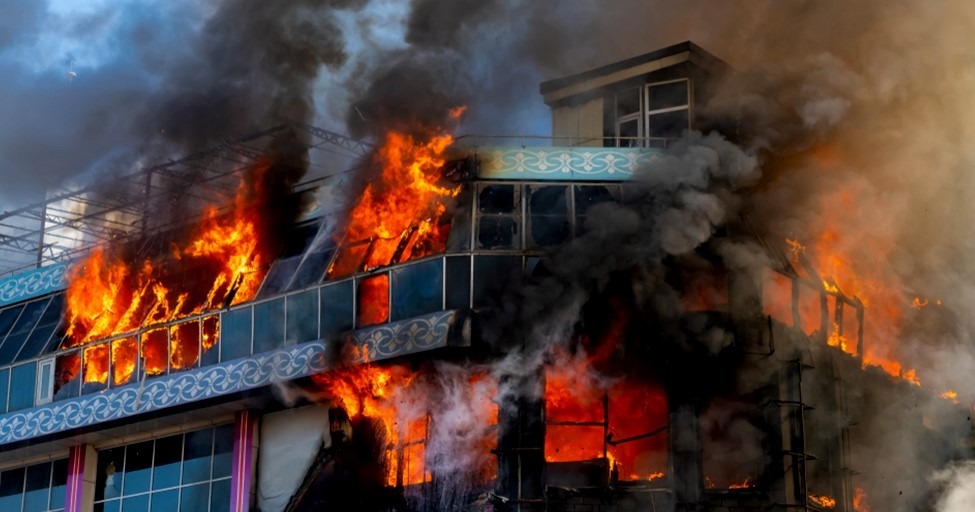
Australia’s harsh climate and landscape make bushfires a natural aspect of life in this country, and combined with the impacts of climate change, the frequency, unpredictability, and intensity of extreme bushfires have doubled over the last twenty years. Development in places that are vulnerable to bushfires must consider and mitigate risks as much as possible. Using DtS non-combustible aluminium cladding is one such solution.
Key Points
· Climate change has doubled the frequency and intensity of bushfires in Australia, creating a longer and more unpredictable fire season and increasing exposure risks both rurally and, increasingly, in vulnerable urban and metropolitan areas.
· Commercial and other public buildings must implement rigorous fire safety design, and this may include cladding or recladding using DtS non-combustible aluminium cladding systems.
· ALPOLIC™ NC/A1 is a compliant DtS non-combustible cladding material that significantly improves a building’s fire resilience and is tailored for Australian conditions.
Bushfire in Australia
Bushfire threatens not just the natural ecosystem, but human populations as well, as the risk from bushfires spreads from rural areas across the urban-bush boundary and into towns and even some city areas, due to natural bushland pockets and national parks located within urban and metropolitan borders.
Global research has revealed that Australia’s bushfire season now lasts a staggering 130 days every year, and scientists have identified that the number of days of extreme-risk fire weather has risen by almost 60% since 1980. From having an evacuation plan (not always practical in an extreme bushfire emergency) to optimising the fire safety of buildings for a safe haven, a proactive approach to mitigating the dangers posed by a potential bushfire must be taken.
Enhancing Bushfire Safety of Australian Buildings
Not only must architects and builders factor fire safety into the design of houses, but also (and perhaps even more importantly on a collective level), for high-occupancy residential buildings and commercial properties such as shopping centres, hotels, schools, early learning centres, aged care facilities, hospitals, industrial premises, agricultural buildings, and other public buildings.
Businesses/building owners are legally liable for any identifiable fire hazards on their commercial premises that could increase risks from a bushfire.
From designing with enhanced fire safety measures incorporated from the outset to retrofitting existing buildings, bushfire risk management can’t be ignored.
Some safety measures include:
· Maintaining minimum distances between the building and vegetation to reduce risks from radiant heat and direct flame
· Clearing debris from around commercial premises and regularly clearing roofs and gutters
· Storing flammable materials away from buildings
· Using deemed to satisfy (DtS) non-combustible building materials, particularly for exterior wall cladding systems
· Installing fire safety systems, including fire doors and sprinklers
· Prioritising emergency access to water for firefighting – e.g. hydrant access or water tanks
Recladding with DtS Non-Combustible Cladding Materials
One key aspect of fire safety in commercial and other public buildings is the use of Deemed to Satisfy (DtS) non-combustible aluminium cladding. Whether installed on a new construction or used for a recladding project, its use is a major step towards improving the fire safety profile of a building.
Arguably, the superior cladding product of choice in Australia for commercial buildings is ALPOLIC™ NC/A1. Exclusive in Australia to Network Architectural, and designed specifically for Australia’s unique climate and conditions, ALPOLIC™ NC/A1 is manufactured from two thin layers of aluminium which are bonded to a non-combustible mineral fibre core. It will not ignite, burn, or contribute to the spread of a fire.
This product has been tested extensively and is DtS compliant with the National Construction Code and certified and tested to the AS5113 Large Scale Fire Test. It is a sustainable choice, recyclable, lightweight, stylish, and comes with a 20-year full manufacturer’s replacement warranty.
Summing Up
Bushfires are a fact of life in Australia, and require proactive risk mitigation. Architects, building designers, and property owners are obligated to incorporate robust fire safety and mitigation measures and using DtS non-combustible cladding on exterior walls is just one critical aspect of this.
 henrich
  Blitz
Blitz