 By Admin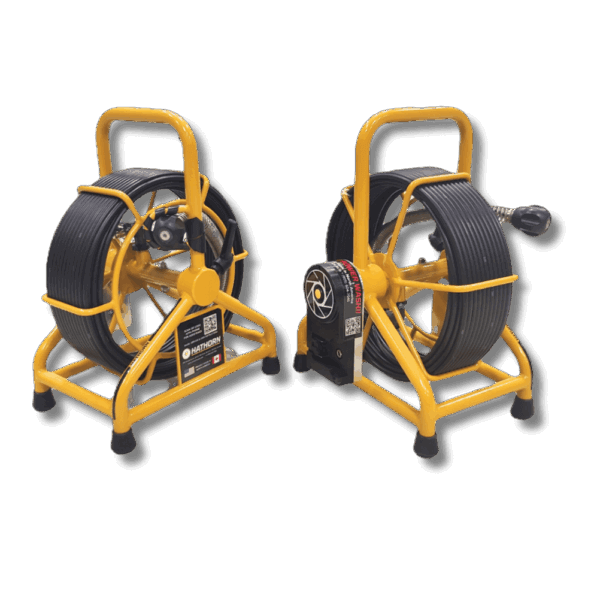
Buying the wrong CCTV sewer & drain camera is an expensive mistake.
Too many Australian plumbing contractors are making exactly that mistake right now. They buy on price alone. They skip the features that matter. And six months later, they are back shopping again because their camera cannot handle the jobs they are winning.
This guide exists to stop that from happening to you.
Whether you run a one truck residential operation in suburban Melbourne or a multi vehicle commercial plumbing business servicing infrastructure across New South Wales, this buying guide gives you the exact information you need to choose the right CCTV sewer camera system in 2026. No fluff. Just practical, expert guidance that helps you make a smart and confident decision.
Why a CCTV Sewer Camera Is the Smartest Investment You Can Make
A quality CCTV sewer camera does not cost your business money. It makes your business money.
Every time you use a professional drain inspection camera on a job, you eliminate guesswork. You show the client exactly what is wrong and exactly where it is. You justify your recommendation with visual evidence. And you build the kind of trust that generates repeat work and referrals for years.
Most experienced Australian contractors say their professional plumbing camera system pays for itself within the first three to six months. The question is not whether to buy one. The question is which one is right for your business.
Pipe Diameter Compatibility — Start Here
Before looking at any other specification, identify the pipe diameters your business regularly inspects. This single decision shapes every other choice you make.
Standard residential drain lines in Australia run from 40mm to 100mm internal diameter. A compact CCTV camera head in the 18mm to 25mm range handles these pipes comfortably and navigates tight bends without difficulty. The 100mm sewer connection is the most common residential pipe size across all major Australian cities, and a 25mm to 32mm camera head is the professional standard for this application.
Commercial and infrastructure pipes run from 150mm to 600mm and beyond. Stormwater networks, council infrastructure, and large commercial building sewers require a larger camera head, typically 40mm to 80mm, with stronger LED illumination to light up the wider pipe interior clearly.
The rule every experienced Australian plumber follows is straightforward. Your camera head should be approximately 30 to 40 percent smaller than the pipe’s internal diameter. This allows smooth navigation through bends and junctions without the head jamming or producing unstable footage.
If your business covers both residential and commercial work, choose a system that supports interchangeable camera heads. One investment covers your entire job range.
Rod Length — 30m, 60m, or 100m?
Rod length is one of the most misunderstood specifications in the CCTV drain camera market. Longer is not always better. The right length depends entirely on the work your business does.
A 30 metre CCTV sewer camera is the professional standard for residential plumbing across Australia. The vast majority of suburban sewer lines from property to council connection fall well within 30 metres. A 30 metre system is lighter, faster to deploy solo, and perfectly matched to domestic inspection work.
A 60 metre drain camera is the right choice for businesses handling larger residential properties, light commercial buildings, and stormwater drain inspections. Many Australian plumbing contractors who service both residential and light commercial clients choose 60 metres as their primary system precisely because it covers both environments effectively.
A 100 metre sewer inspection camera is built for serious commercial and infrastructure work. Civil contractors, drainage specialists, council teams, and commercial plumbing businesses working on large pipeline networks need this reach to inspect long sewer mains from a single access point.
For businesses growing from residential into commercial work, a modular system with extension rods is a smart solution. Start at 30 metres and add length as your commercial work grows, protecting your initial investment while giving you a clear upgrade path.
Self Levelling Camera Heads — The Feature That Defines Professional Quality
If one feature separates an entry level drain camera from a genuinely professional CCTV pipe inspection system, it is self levelling capability.
Without self levelling, every rotation of the camera head inside a pipe transfers directly to your footage. The image spins and flips continuously, making defect identification difficult and presenting poorly to clients.
A self levelling CCTV sewer camera uses an internal gyroscope mechanism to keep footage consistently upright and horizontal regardless of how the camera head turns. Every frame is stable, clear, and immediately readable.
When you show a client self levelling HD footage of a hairline crack at 22 metres, they see it clearly and trust your diagnosis. When you submit that same footage to an insurance company or include it in a pre purchase property inspection report, it stands up as credible, professional documentation.
For any plumbing business charging clients for camera inspection services, self levelling is non negotiable.
Sonde and Locator Compatibility — Locate Problems with Precision
Seeing the problem on screen is step one. Knowing exactly where it sits underground is step two.
A sonde is a locating beacon built into the camera head. It transmits a radio frequency signal upward through the ground. A technician on the surface uses a compatible pipe locator to pinpoint the camera head’s exact underground position and mark the surface directly above the defect.
The result is precise, targeted excavation every time. No unnecessary trenching. No digging in the wrong spot. Your client’s property is protected and your job is completed efficiently.
For Australian plumbing businesses, the standard sonde transmitter frequency is 512Hz. This is compatible with most pipe locators sold and used throughout Australia. Always confirm frequency compatibility between your camera system and your surface locator before purchasing either separately.
A sewer camera with sonde is not an optional upgrade. It is a core specification for every serious contractor.
HD Recording and Reporting Software — Protect Your Business
In 2026, a CCTV drain camera without HD recording capability does not belong in a professional plumbing business.
Recording your inspections serves two critical purposes. Client trust and legal protection. Recorded footage transforms your repair recommendation from an opinion into visual evidence. It also protects you if any dispute arises about the pipe condition before or after your work.
The specifications to look for are clear. Full 1080p HD video recording is the minimum professional standard. An on screen distance counter records exactly how far the camera has travelled, pinpointing every defect location accurately. Snapshot capability supports written report preparation. SD card or USB export allows you to share footage with clients immediately on site or digitally after the job.
The best Australian CCTV drain camera systems now integrate with professional reporting software platforms. These generate branded, structured inspection reports complete with video timestamps, defect location data, annotated images, and defect categorisation. For commercial clients, strata managers, and property developers, a formatted inspection report is often required before any remediation can be approved or funded.
IP Rating and Durability — Built for Australian Conditions
Australian job sites are unforgiving. Your heavy duty drain camera needs to handle extreme conditions reliably every day.
The camera head must carry a minimum IP68 waterproof rating, meaning it is fully protected against continuous submersion in water. Inside a sewer, flooded drain line, or stormwater pipe, your camera head operates permanently submerged. IP68 is the baseline minimum, not an optional extra.
Your push rod should be fibreglass reinforced for the best combination of flexibility and pushing force through bends and long horizontal runs. Your monitor unit needs a sunlight readable screen of at least seven inches, a reinforced polymer casing, and rubberised corner protection for the daily reality of a working plumbing truck.
A rugged drain inspection system built to these specifications will deliver years of reliable professional performance. A budget unit that cuts corners on durability will fail at the worst possible moment.
The Complete Pre Purchase Checklist
Before committing to any system, confirm these specifications are covered. Rod length suits your longest drain runs. Camera head diameter matches your target pipe sizes. Self levelling gyroscope mechanism is included. A 512Hz sonde transmitter is built into the camera head. Full 1080p HD recording with on screen distance counter is standard. IP68 waterproof rating is certified on the camera head. The monitor is sunlight readable at seven inches. Australian supplier offers genuine local warranty and spare parts support. System integrates with professional inspection reporting software.
Tick every box, and you have found a system that will serve your plumbing business professionally for years to come.
5 CCTV Sewer Camera Buying Guide for Australian Plumbers
Q1: What is the best CCTV drain camera for an Australian plumbing business?
For residential plumbing, a 30 metre self levelling system with a 25mm to 32mm camera head, built in 512Hz sonde, and full HD recording is the professional standard. For commercial and infrastructure work, a 60 metre or 100 metre system with a larger camera head and reporting software integration is required. Always buy from an Australian supplier with local warranty support and genuine spare parts availability.
Q2: Is a 60 metre sewer camera enough for commercial work?
A 60 metre system handles the majority of light commercial plumbing inspection jobs in Australia. For large commercial buildings and extended pipeline networks, a 100 metre system is recommended. A modular system with extension rods lets you start at 60 metres and expand your reach as your commercial client base grows.
Q3: Do I need a self levelling sewer camera?
Yes. For any professional plumbing business charging clients for camera inspection services, self levelling is non negotiable. It keeps footage consistently upright and readable, produces professional documentation, and builds client confidence on every job.
Q4: What does IP68 mean on a drain inspection camera?
IP68 certifies that the camera head is fully protected against continuous submersion in water. For professional drain and sewer inspection work, IP68 is the minimum acceptable waterproof rating. Never use a camera with a lower IP rating inside live sewers, stormwater pipes, or flooded drain lines.
Q5: What is the difference between a sewer camera with and without a sonde?
A camera without a sonde shows you the problem on screen, but cannot locate it underground. A camera with a built in sonde transmitter allows a surface locator to pinpoint the camera head’s exact underground position, enabling precise targeted excavation. For any work involving excavation or remediation, a sewer camera with sonde is essential.
The Right CCTV Sewer Camera Grows Your Business
The right CCTV drain camera transforms your diagnostic capability, your client relationships, and your business revenue. It builds credibility. It opens doors to commercial contracts that basic plumbing businesses cannot win.
Match your rod length to your job. Choose the right camera head diameter. Insist on self levelling. Confirm your sonde frequency. Require HD recording. Verify IP68 certification. And always partner with an Australian supplier who stands behind their equipment with genuine local support.
Do those things, and your CCTV sewer camera will be the most profitable piece of equipment your plumbing business owns in 2026 and beyond.Ready to find the right system for your business? Contact the SECA team today. We have helped plumbing contractors across Australia choose the exact camera system that matches their jobs, their growth plans, and their budget. We are here to help you make the right call.
 Seo Feast