 By Admin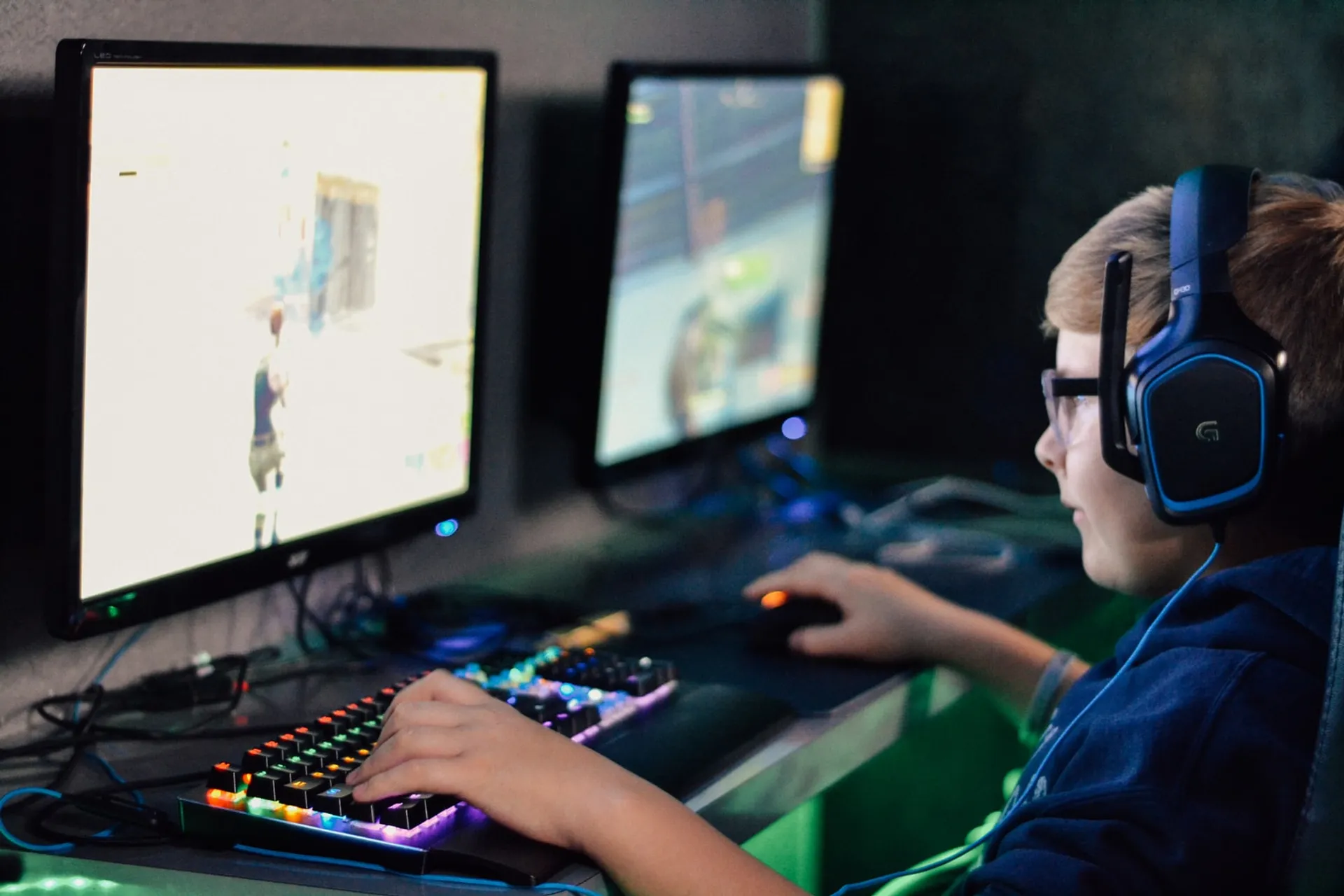
Introduction to Gambling in Society
Gambling has woven itself into the fabric of our society, captivating millions with the thrill of chance and the allure of fortune. From bustling casinos to quiet living rooms, it offers a mix of excitement and tension that many find irresistible aussie online casino. As technology evolves, so does gambling—especially with online platforms making it more accessible than ever before. But beneath this shiny surface lies a complex landscape filled with both opportunities and challenges.
In today’s culture, gambling is a dual-edged sword. It can serve as entertainment or become a pathway to addiction. The stakes are high—not just in terms of money but also on emotional well-being and social dynamics. Let’s delve deeper into this intricate world where luck meets risk, exploring its multifaceted impacts on individuals and communities alike.
The Rise of Online Gambling
The digital landscape has transformed the way we engage with gambling. Once limited to physical casinos and racetracks, gaming now thrives online.
With just a few clicks, players access a vast array of games from slots to poker. This convenience appeals to many who prefer comfort over crowds.
Mobile apps have further fueled this trend, allowing users to gamble anywhere and anytime. Who would have thought that your favorite casino could fit in your pocket?
Online platforms also offer enticing bonuses and promotions that attract newcomers. These incentives create an environment ripe for exploration.
Additionally, social interaction has shifted online as well. Live dealer games mimic the brick-and-mortar experience while connecting players worldwide.
However, with such accessibility comes responsibility. The ease of play can lead some down a precarious path if not approached cautiously.user
Positive Effects of Gambling
Gambling can bring a thrill that many people seek. It’s an exhilarating escape from everyday life. The rush of placing a bet or hitting the jackpot creates unforgettable moments.
Beyond entertainment, gambling contributes to local economies. Casinos and betting establishments generate jobs and revenue for communities. This economic boost helps fund essential services like education and infrastructure.
Social interactions also flourish in gaming environments. Friends gather at casinos or online platforms, sharing experiences that strengthen bonds. For some, it’s a chance to connect over shared interests.
Moreover, controlled gambling can enhance decision-making skills. Players often analyze risks versus rewards, honing their ability to make quick choices under pressure. This skill can extend beyond the gaming table into daily life scenarios.
When approached responsibly, gambling offers opportunities for enjoyment and social engagement while positively impacting society as a whole.
Negative Effects of Gambling
Gambling can lead to significant financial strain. People often chase losses, believing that a big win is just around the corner. This mindset can drain savings and lead to debt.
Emotional turmoil frequently accompanies gambling addiction. Anxiety, depression, and stress rise as individuals grapple with their choices. Relationships with family and friends may suffer due to secrecy or dishonesty about gambling habits.
Health issues also emerge from excessive gambling. Sleep disturbances become common as players lose track of time during late-night sessions. Physical health might decline due to neglecting nutrition or exercise.
Moreover, societal impacts are evident too. Increased crime rates in areas with high gambling activity raise concerns about safety and community integrity. The allure of quick wealth blinds many to these harsh realities.
Addiction and Its Impact
Gambling addiction can quietly creep into a person’s life, often going unnoticed until it spirals out of control. What starts as casual play can evolve into an all-consuming obsession.
The impact is profound. Relationships suffer as trust erodes and communication breaks down. Friends and family may feel the emotional toll of deceit or financial strain.
Financial ruin frequently follows closely behind. The thrill of winning gives way to desperation. Debt accumulates, creating a cycle that’s hard to escape.
Mental health also takes a hit—anxiety, depression, and shame become constant companions for those grappling with their gambling habits. Seeking help might seem daunting but is crucial for recovery.
Awareness plays an essential role in combating this issue. Understanding the signs can pave the way towards healthier choices and support systems designed to foster healing.
Responsible Gambling Practices
Responsible gambling practices are essential for enjoying games of chance without negative consequences. Setting limits is a great starting point. Decide on a budget and stick to it, ensuring that you only play with what you can afford to lose.
Time management is equally important. Allocate specific hours for gambling activities, preventing them from encroaching on other vital aspects of life like work and relationships.
Stay informed about the odds and rules of the game. Understanding how games work enhances enjoyment and reduces impulsive decisions based on emotion rather than logic.
Self-awareness plays a crucial role as well. Recognize signs of distress or compulsiveness in your behavior. If something feels off, it’s wise to step back.
Consider seeking support when needed. Many organizations offer resources for those who want help navigating their gambling habits responsibly—never hesitate to reach out if challenges arise.
Conclusion: Finding a Balance
The dual-edged nature of gambling makes it a complex part of modern culture. On one side, it fosters entertainment and social interaction, creating opportunities for enjoyment and camaraderie. Many find that placing a bet can add excitement to an otherwise mundane day.
However, it’s essential to recognize the darker aspects as well. The risks associated with gambling can lead to addiction, financial ruin, and strained relationships. Awareness is key; understanding both sides helps individuals navigate this intricate landscape more effectively.
Finding balance becomes crucial in mitigating these risks while enjoying the recreational benefits gambling offers. Emphasizing responsible practices ensures that gaming remains a fun activity rather than becoming harmful or overwhelming.
As society continues evolving around technology and personal choices, striking this equilibrium will be vital for everyone involved—players, families, and communities alike. Engaging thoughtfully with gambling allows us to enjoy its perks without falling prey to its pitfalls.